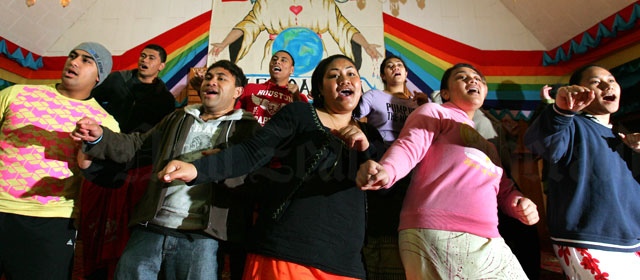
Story summary
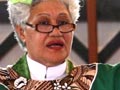

Early Pacific churches
The first Pacific church in New Zealand was set up in Newton, Auckland, in 1947. Numbers of Pacific migrants increased and spread around the country in the 1950s and 1960s. Churches were formed to cater for Pacific peoples’ needs within many of the mainstream churches.
Pacific churches in the 21st century
In the early 21st century Pacific people were quite religious compared to other New Zealanders. In the 2013 census more than three-quarters of Pacific people said they were Christians, compared with just half of all New Zealanders. Only 16.5% of Pacific people said they had no religion.
The largest Pacific denomination was Catholic, then Presbyterian/Congregational, then Methodist.
Role of churches
In the Pacific Islands, community life was built around the family, the church and the village. In New Zealand, churches acted like villages. The minister was the most powerful and respected person – a role similar to the village chief.
Churches became the centre of social life for many Pacific families. As well as religious worship, churches provide health and education services, and sport, music and social activities. Some government agencies work with churches to deliver social, educational and public health programmes to Pacific people. Early childhood centres, Pacific language nests and adult education classes are run on church premises.
Challenges
Young people’s low status in village life has made it difficult for them to have their views taken seriously – especially if they only speak English. Some young people have rebelled against the strong authority of church ministers.
Some churches expect members to donate large amounts of money. Members have got into debt, or even turned to crime or gambling, to pay the donations. Some ministers have been criticised for getting rich, while not helping families in need.
Changes
As Pacific people who were educated in New Zealand grow older and have more influence in churches, some things are changing.
- Some churches have set up English-language groups and services.
- Women are playing a greater role in some churches.
- There has been debate over whether gay people can become ministers.
- People have become less tolerant of bad behaviour by ministers.


