


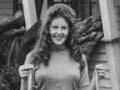
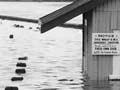
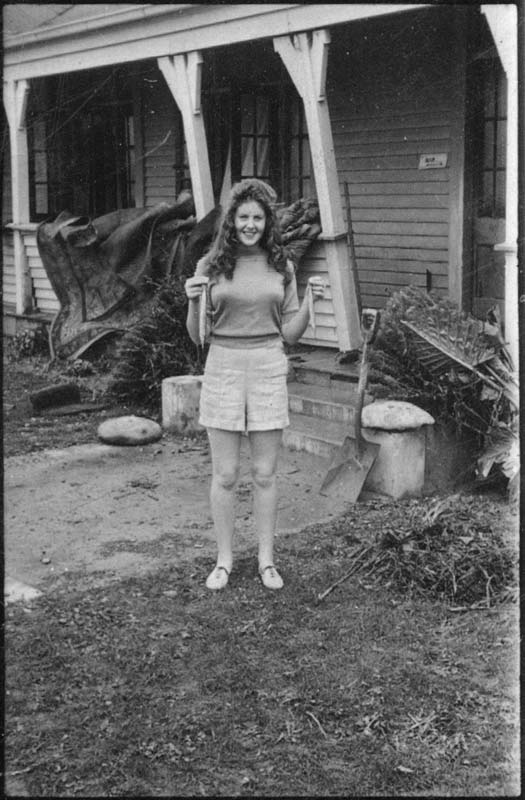
It is a day I will never forget. About 9.20 a.m., as I was about to go out through the front door of the Tatapouri Hotel (where I lived with my parents, the managers), I noticed that the sea was lapping on our front lawn. At the time there were only my parents Hony and Bill McLauchlan and me at the hotel. I called out to my father to look at the sea – he took one look and called out to Mum and me to run for our lives up the hill behind the hotel. We were able to stop any travellers before they drove down the hill.
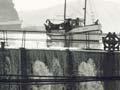
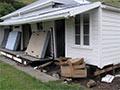
What an awesome sight to be able to stand well out of danger and watch first one, then another tsunami race across the ocean and smash onto the land. The first wave took everything other than the hotel out to sea with its backwash. We could see a shed that was full of furniture, a small dinghy, a two-roomed cottage, plus a variety of other objects. Then came the second wave, which dumped everything back almost where it came from; but this time everything was smashed. Seaweed was left hanging in the telephone and power lines.
The waves pushed in a half-wall enclosing the verandah, saving a lot of damage to the hotel. I had left the front door open, which saved the door from breaking, but let in a lot of water, sand and little hoppy things.
My sister Margaret had, as usual, gone to the Pouawa School in the service car. They had just gone over the Pouawa bridge when water came up the river and washed the bridge away. For some time afterwards the school children had to be taken across the river in row boats until a Bailey bridge was built.
No lives were lost, but there were many stories from people who might normally have been in the path of the waves, but for one reason or another were not there at the time.
Using this item
Tairawhiti Museum, Te Whare Taonga O Te Tairawhiti
Reference:
811-9-14
Permission of Tairawhiti Museum, PO Box 716, Gisborne, must be obtained before any re-use of this image.

Add new comment