At the beginning of the 20th century, Māori society and culture reached its lowest ebb. Introduced diseases had helped reduce the estimated numbers of Māori to under 50,000 – the lowest ever – in a total population of over 800,000. With a small population and dwindling resources, Māori influence upon the affairs of the nation was drastically reduced.
However, this period also saw the rise of the most important Māori leaders of the 20th century, including Sir Apirana Ngata, Sir Māui Pōmare, Te Puea Hērangi and Sir Peter Buck. The Young Māori Party, which originated in the late 1890s, served as a vehicle for the invigoration of the culture and of political influence.
Apirana Ngata
The dynamic and inspirational leader Apirana Ngata typified the energy of those determined to respond to the losses of the 19th century, and to bring about widespread rejuvenation of Māori people, society and culture.
The period between 1900 and 1950 is dominated by the work of Ngata and his group. Their numerous initiatives and enterprises included:
- entry into Parliament (and at times membership of the cabinet)
- the formation of the Pioneer and Maori Battalions which saw action in the world wars
- the introduction of widespread health reforms under Buck and Pōmare
- the reform of land tenure arrangements.
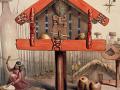
Ngata also led a remarkable renaissance in Māori knowledge and culture. With the assistance of Pei Te Hurinui Jones of Ngāti Maniapoto, he researched and wrote the monumental four-volume collection of traditional song poetry entitled Nga moteatea. He oversaw the building of carved meeting houses throughout the country, and was instrumental in the restoration of many others.