Story summary




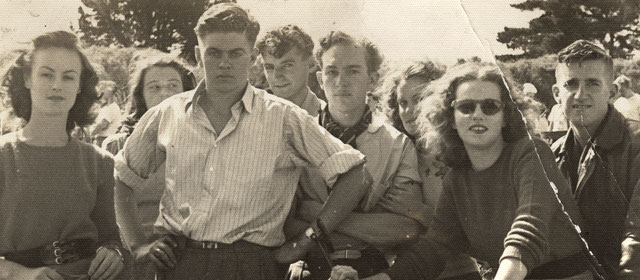
Teenagers, aged from 13 to 19, are between childhood and adulthood. Most teenagers are at secondary school, or in their first years of work or tertiary study.
Teenagers, school and work
Today children and teenagers spend much of their time studying or playing, but before the 20th century most young people were in paid work to help their families. Many worked full time from the age of about 12. Secondary schooling only became common in the early 20th century. The school leaving age was raised from 14 to 15 in 1944, and to 16 in 1993.
Independence and growing up
Teenagers become more independent as they leave school and start work or further study. Many also leave home. In their teens they become legally allowed to have sex (at age 16), drive (16), marry (16), vote (18), go to war (18) and buy alcohol (18).
Teenage groups
Peer groups of friends are important to teenagers. They sometimes form subcultures such as geeks, goths, skaties and Rastas, who dress similarly and like the same music and activities. Teens often communicate by texting on mobile phones, and through social media websites like Facebook, Snapchat, Instagram, WhatsApp, Tumblr, Groupme and Twitter.
Sex education and sex
Sex education was banned in schools in 1945, and until 1989 it was illegal to even talk about contraception to an under-16-year-old. In the 21st century sex education was taught in primary and secondary schools. While New Zealand’s rates of teen pregnancies dropped in the 21st century it remained high internationally.
Since the late 1960s most New Zealanders first have sex in their teens. In the 1960s and 1970s many teenagers got married – often because the girl was pregnant. Unmarried mothers were looked down on, and their children were often adopted out. But over time, more young single women began keeping their babies. Some secondary schools set up special units where young mothers could keep going to school and have their babies cared for.
Teenagers and risks
People often start drinking alcohol in their early teens. Some may drink too much, and drive when drunk. Death and injury rates in road accidents are higher for teenagers than for adults.
Teenagers and adults
Adults often criticise the behaviour of young people and see them as out of control. Teenagers often rebel against their parents’ values.
- In the 1840s newspapers complained about the behaviour of young British men in Auckland, describing them as ‘juvenile delinquents’.
- In the 1950s teenagers listened to rock ’n’ roll, hung out in milk bars and wore distinctive clothes. There was a scandal over teenagers in Lower Hutt having sex.
- In the 1960s young people strongly questioned their parents’ values. They adopted different tastes in music, movies, clothes and hairstyles.


