Story summary




Settler church
Unlike other major Christian churches, the Presbyterian Church did not send missionaries to New Zealand. It came to New Zealand in the 1840s with settlers from Scotland, and was particularly strong in Dunedin, which was founded by Scots Presbyterians.
Missionary work with Māori
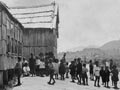
In the early 20th century the church did some missionary work among Māori, such as setting up schools, particularly in the Urewera region. The first Māori ministers were ordained in the 1930s.
Growth and reform
The Presbyterian Church grew after the Second World War, and provided a social network for families who had moved to new suburbs.
As society changed, the church did too. Women were able to become leaders from 1954 and the first woman minister was ordained in 1965.
Challenges
In the 1960s differences between church members who believed in traditional religious ideas and those who did not caused conflict. This reached a peak in 1967 when Lloyd Geering, the principal of the church’s theological college, was tried by the church for heresy because he did not believe in life after death.
From the 1970s, as society became less religious, membership of the Presbyterian Church declined. However, church members came from a wider range of ethnicities.
In the 21st century the church continued to debate controversial issues such as whether to allow gay people and people in de facto relationships (living together but not married) to be ministers.
Church structure and culture
The Presbyterian Church is governed by a series of courts (councils) at local, regional and national levels. The leader of the New Zealand church is called a moderator, and is elected by the national court.
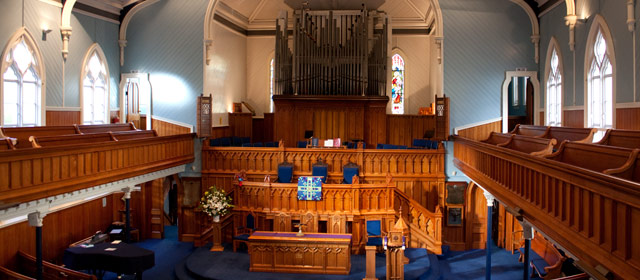
Presbyterian churches are generally decorated in a simple style and ministers’ robes are relatively plain.
The Presbyterian Church considers ‘the word of God’ (the Bible) to be of the highest importance.
Church and society
Many Presbyterians have believed in trying to reform society. They have often been involved in social causes, including the temperance (anti-alcohol) and anti-war movements.


