Story summary
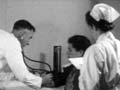

In the 19th century doctors, nurses and pharmacists were the main health practitioners in New Zealand, but since then many new types of health care have developed.
New Zealand has laws requiring health practitioners to follow professional guidelines.
Doctors
At first most doctors were general practitioners (GPs). They had to train overseas until the University of Otago's Medical School opened in Dunedin in 1875. In 1968 a second medical school opened in Auckland. Doctors have specialised in different types of medicine, such as paediatrics (the treatment of children) and psychiatry.
Until the 1970s most doctors were men, but by the 2000s more women than men studied medicine.
Doctors often have heavy workloads. Some areas find it difficult to hire doctors. In the early 21st century around 40% of the doctors in New Zealand were from overseas.
Nurses and midwives
At first nurses did housework and looked after children as well as nursing. They trained on the job and did not need qualifications. But after 1901 nurses had to pass an examination and be registered to practise. In the 1970s and 1980s nurse training shifted from hospitals to polytechnics and universities.
After 1904 midwives trained in hospitals. From the 1920s to 1990 midwives were trained nurses, and from 1971 to 1990 they could not deliver a baby without a doctor present. In the 21st century people can train as midwives without being a nurse, and midwives can deliver babies on their own.
Other health practitioners
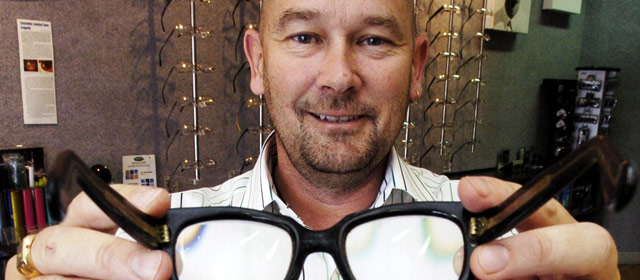
In other areas – chiropractic, dentistry, dietetics, medical laboratory science, medical radiation technology, occupational therapy, optometry and optical dispensing, osteopathy, pharmacy, physiotherapy, podiatry, psychology and psychotherapy – practitioners also have to follow practising guidelines.
Māori and Pacific health practitioners
Although Māori were 14.9% of the population in 2013, and Pacific people were 7.4%, only 2.7% of doctors and 6.5% of nurses were Māori in 2015, and only 1.8% of doctors and 2.6% of nurses were Pacific people.
