Story summary


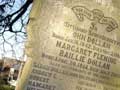
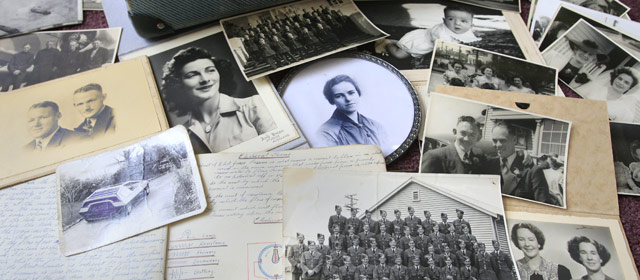
A genealogy is a family tree which traces family relationships back to grandparents, great-grandparents or further. Often people also record family stories, so they can write a full family history. Sometimes family reunions are the spur to research genealogy.
Māori whakapapa also tell the story of people’s family trees, and can include relationships to all living things.
Genealogy
There has been a growing interest in genealogy, often amongst older people. In 1967 the New Zealand Society of Genealogists was formed. In 2016 it had almost 6,000 members.
Research
Genealogists record the knowledge and memories of older family members, collect birth, marriage and death certificates, and use records in libraries and archives such as street directories and electoral rolls to identify and trace family members.
The internet made research much easier. Data such as shipping records, historical newspapers, the UK census and birth, marriage and death certificates could be searched online.
Genealogists were sometimes called ‘granny hunters’, but as historians became interested in social history genealogy gained more respect.
Family tree
People begin their research by asking older family members about the family’s history. Letters, diaries and official documents are sources of information.
There are now national and international online communities sharing information about overlapping branches of their members’ families.
Issues
Sometimes families kept embarrassing incidents secret. Attitudes to events such as abortion or divorce have changed, but some people question whether secrets should be uncovered, even if the people concerned are no longer alive.
Much family memorabilia – photographs, emails and family trees – are now stored on computer hard drives or online. People worry that their data are too easily lost, and it may be difficult for people in the future to research their ancestors.


