Story summary


Game bird species
New Zealand has 13 species of game birds – birds that can legally be hunted.
Upland game (which live on dry land) include:
- ring-necked pheasants
- grey, red-legged and chukor partridges
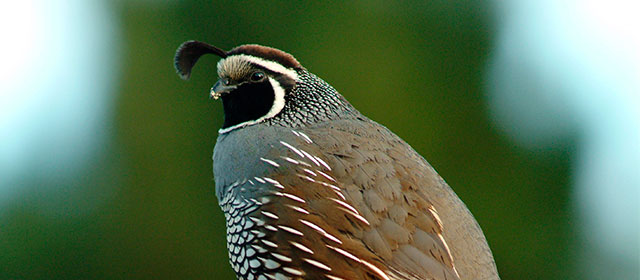
- California, brown and bobwhite quails.
Wetland game birds include:
- four duck species – mallards, grey ducks, Australasian shovelers and paradise shelducks
- black swans
- pūkeko.
Laws
The hunting season is usually in autumn or winter. At all other times, game birds are protected and cannot be shot. Hunters must have a licence and follow rules about the number of birds they can catch, and the guns and methods they can use. Hunters also target other species that are not defined as game birds and therefore have no level of protection. These include the Canada goose, Cape Barren goose, greylag goose, wild turkey and peafowl.
Early hunting
For centuries, Māori caught birds such as kererū (New Zealand pigeons) for food. European settlers arrived in New Zealand in the early 1800s. They hunted native birds, and brought in other species such as pheasant and quail for hunting.
Hunting upland game
Hunters use dogs to find upland birds and flush them out of their hiding places. Once the birds are flying, a hunter can shoot them.
Eating birds
Most hunters eat the birds they shoot, or give them to friends and relatives. Some restaurants will cook game birds for hunters.
Bird numbers
Bird numbers often fall in winter because of cold weather and lack of food. Hunting harvests some birds that would die anyway in the winter.
Game numbers can be increased in two ways:
- breeding birds on game farms
- taking care of their habitats, so the populations grow naturally.