Story summary



Changing causes of death
In many countries, deaths from infections such as measles, smallpox and tuberculosis have declined. Fewer children die, and adults live longer. They die from diseases associated with old age or lifestyle, such as cancer and heart disease.
This change started for Pākehā in the 19th century, and for Māori in the 20th century.
Pākehā life expectancy
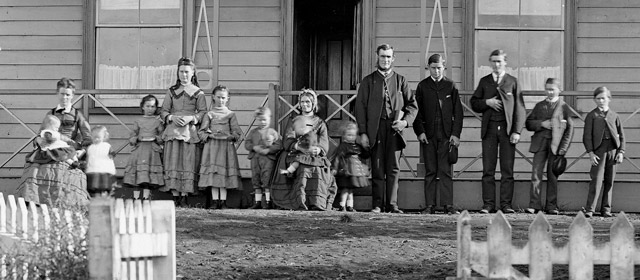
In the 19th century Pākehā settlers had lower death rates from infectious diseases, and lived longer, than people in Britain. This may have been due to their better diet and higher standard of living. Also, settlements were dispersed around the country, so infections were less likely to spread. In the late 1870s Pākehā women in New Zealand were the first group in the world to have a life expectancy of 55.
Pākehā life expectancy continued to increase. The population reached 60,000 in 1860 – about the same as the Māori population. From then on it grew quickly, while numbers of Māori declined.
In 2013 life expectancy was 84 for non-Māori women and 80 for non-Māori men.
Impact of colonisation on Māori
In the late 1700s Māori life expectancy was probably about 30 – similar to that of people in Western Europe. But Europeans brought new diseases to New Zealand. Māori had no immunity to measles, mumps, tuberculosis and whooping cough, so death rates increased. The loss of Māori land to settlers meant that many tribes were reduced to poverty. People lived in cramped, unhygienic conditions, which made disease more likely to spread. In 1891 Māori life expectancy was 25 for men and 23 for women.
Children’s death rates were very high. In the 1890s a quarter of Māori girls died before nine months of age, and half died before they were seven. Few girls lived long enough to have children.
The Māori population fell from around 100,000 in 1769, to 42,000 at its lowest point in 1896.
Māori recovery
From the later 1890s Māori life expectancy increased, and the population grew. People gained more immunity to European diseases, and hygiene and living conditions improved. However, poverty, overcrowding and malnutrition made Māori vulnerable to epidemics, and life expectancy was still much lower than for Pākehā.
In the period from 1910 to 1945 Māori life expectancy gradually improved, mainly as a result of improved conditions and partly because of attempts by the state to improve Māori health. The Department of Health established a Division of Maori Hygiene staffed by Māori medical graduates such as Peter Buck (Te Rangi Hīroa) and Māui Pōmare who later became minister of health. Strategies included public health interventions such as building toilets and upgrading housing. The Social Security Act 1938, which improved the access of those on low incomes to education, health and housing, contributed to improvements in Māori life expectancy, but Māori continued to die much earlier than non-Māori.
After the Second World War many Māori moved to towns and cities, where there was better health care. Māori incomes rose and living conditions improved. Māori also benefited from health and social policies. Life expectancy increased, and became closer to that of Pākehā. In 2013 it was still lower than Pākehā – 77 for women and 73 for men compared to 84 for non-Māori women and 80 for non-Māori men.


