
Story summary



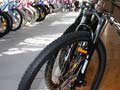

19th-century bicycles
The first bicycles in New Zealand were velocipedes. Introduced around 1869, they had a heavy iron frame, wooden wheels, and cranks and pedals on the front wheel. Penny-farthings are bicycles with a large front wheel and much smaller back wheel. They could go faster, and became very popular with daring male riders in the 1880s.
In the late 1880s the safety bicycle arrived. This had smaller wheels, and tyres which were filled with air, and was much more comfortable to ride. They were popular with women as well as men.
20th-century bicycles
In the 1970s 10-speed bicycles became popular. They had more gears than earlier bicycles, which made riding up hills much easier. When the price of petrol increased, more people used bikes.
The craze for BMX bikes took off in 1979. Children and teenagers raced BMXs on motocross tracks. Mountain bikes also became very popular when they were introduced in the 1980s, sparking another boom in cycling which continues in the early 21st century.
Bicycle manufacture
Ironmongers, coachmakers and machine manufacturers began making bicycles as soon as velocipedes arrived in New Zealand. From 1880 Zealandia Cycle Works made almost all the parts for their bikes.
In the 1950s cycling became less popular and bicycle parts were no longer manufactured. But in the 1960s two companies, Morrison Industries and Healing Industries, used steel from a new mill at Glenbrook to make bikes, including BMX and mountain bikes. But cycle making was only economic because the government did not allow many bikes to be imported. When this changed in the 1980s locally made bikes could not compete against imports and factories closed.
Bicycle deliveries
Bike prices dropped from £24 in 1890 ($5,200 in 2021) to less than £10 ($1,100) in 1930. As they got cheaper they were used for deliveries and transport as well as for fun. Telegraph messengers, lamplighters, chimney sweeps and salesmen used bikes, as did police and nurses. A cyclist corps was sent to fight in the First World War.
Cycling
People enjoyed cycling round the country, despite the terrible roads in the 19th century. They formed clubs, and some undertook some difficult journeys – occasionally astonishing locals when they saw their first velocipede or penny-farthing. Women’s clubs saw the bicycle as a symbol of new-found freedom.
The popularity of cycling for pleasure lagged in the mid-20th century and then took off from the 1980s, when mountain bikes allowed bikers to explore off-road tracks. In the 21st century cycling is among the 10 top leisure activities in New Zealand.
Cycling by-laws
Some cyclists sped on city streets (‘scorching’) or travelled at night without lights in the 19th century. A bylaw in Christchurch in 1900 made cyclists use a bell and a light at night time, and the maximum speed was 6 miles (10 kilometres) an hour.
Between 1932 and 1950 motor vehicles killed 449 cyclists. People used bicycles less for transport as the number of cars increased. In the early 21st century about 10 cyclists are killed in accidents each year.
In 1994 it became compulsory to wear a helmet when cycling.
Cycle lobby
In 1986, 5% of New Zealanders cycled to work, but by the 2010s it had dropped to under 3%. The Cycling Advocates Network (CAN) was set up in 1997 to lobby local councils and transport authorities for cycle lanes on roads, and special cycle paths.