20th-century arrivals
During the 20th century, Jewish migrants came to New Zealand from a wider range of countries. The rise of Nazism brought some Jewish people from Germany during the period before the Second World War: most of the 1,000 or so fugitives from Nazism who came up to 1939 were Jewish. But New Zealand admitted few Jewish refugees during the war and its aftermath.
The failed Hungarian uprising in 1956 brought a further group of Jewish refugees, while the 1980s and 1990s saw Jews coming to New Zealand from Russia and elsewhere in the former Soviet Union. Israelis escaping the political violence of the Middle East, along with South African Jews, have been among the most recent arrivals.
Contributions to New Zealand life
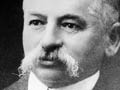
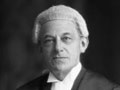
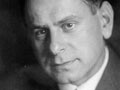
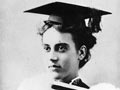
In the 20th century the children and grandchildren of Jews who had succeeded in business flourished in other fields. New Zealand’s first woman doctor, Emily Siedeberg, was Jewish; so was the first woman lawyer, Ethel Benjamin. Michael Myers became chief justice in 1929. One 20th-century arrival, Fred Turnovsky, is better known as a supporter of the arts than for the success of his leather business. He was one of many Jewish refugees from Nazism who did much to enrich the cultural life of Wellington during and after the Second World War.
Cultures connect
Esther arrived in New Zealand as a child in 1971. She has found that her Jewish background not only complements the New Zealand part of her identity; it has helped her to understand the country’s different cultures:
‘I have found quite a few similarities between Maori and Jewish culture … the whole family thing, the whole thing when someone dies, the family gets together for a length of time. The importance of the land, that was a big thing in Israel.’ 1
The community
The number of Jews in New Zealand has never been very large. They comprise less than 1% of the population, and the proportion has not risen. Jewish immigration has been offset by emigration, principally to Australia, the United Kingdom and Israel. Despite New Zealand’s geographic isolation and its own internal preoccupations, its Jewry has been outward looking, with an active interest and involvement in worldwide Jewish concerns and organisations.
Emigration to Israel
The establishment of Israel and the success of New Zealand Zionist organisations has made emigration to Israel a factor in New Zealand Jewish life. Each year young New Zealand Jews take part in work and study programmes in Israel, and many of those subsequently choose to live there.
In 1987, during the only official visit yet made to New Zealand by Israel’s head of state, then President Chaim Herzog pointed out that no English-speaking country has had a higher proportion of its Jewish population emigrate to Israel than New Zealand. This migration to Israel has had its effects on New Zealand Jewry, reducing its numbers and depriving the community of its likely future leadership.